
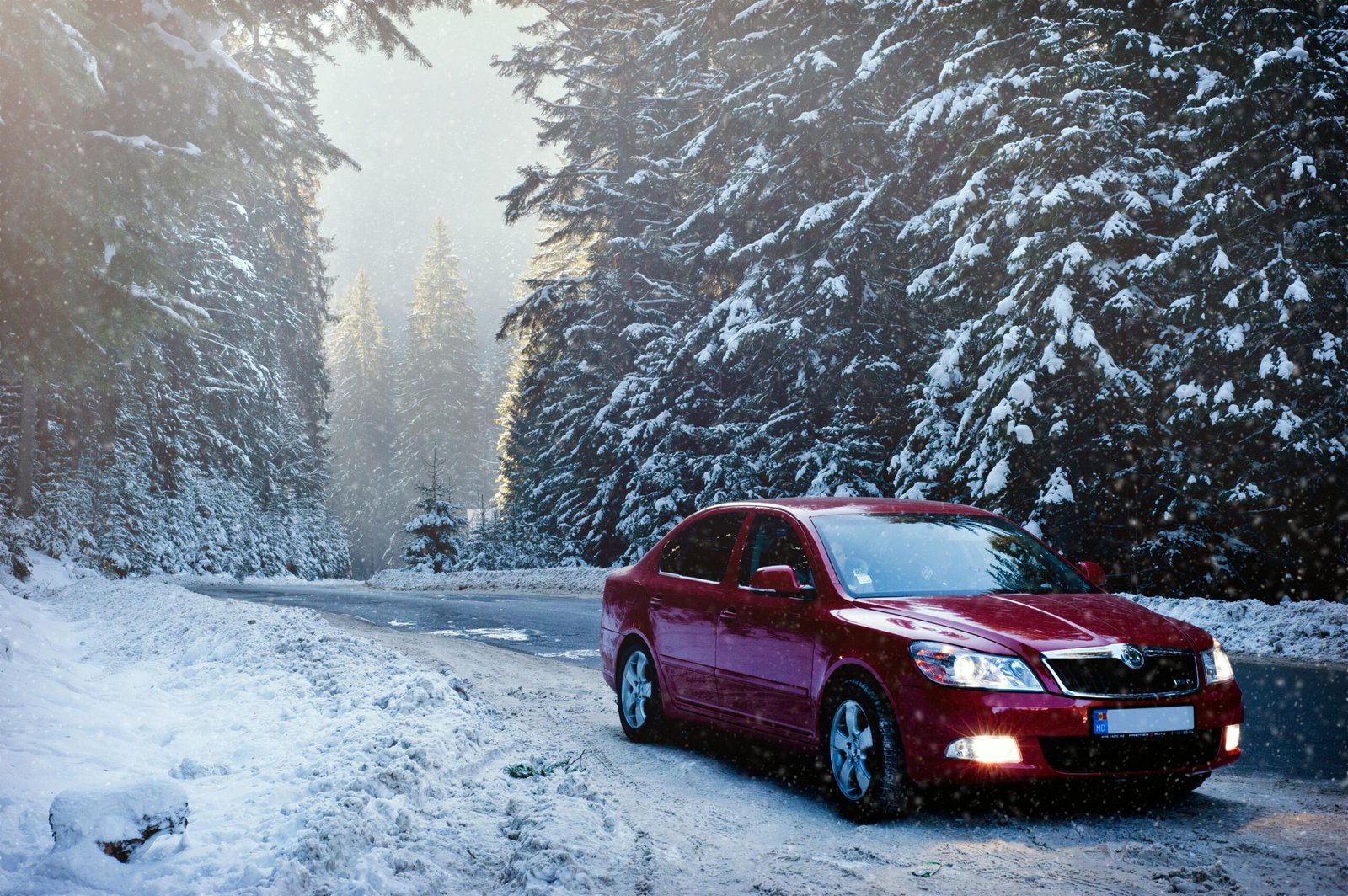
Winter driving in Halifax and across Nova Scotia can change quickly. Wet pavement, black ice, snowbanks, fog, early darkness, and sudden temperature drops can make a familiar route feel completely different from one day to the next.
This guide focuses on practical habits that help drivers stay calmer, create more space, and make safer decisions on icy or low-visibility roads.
Slow Down Before Conditions Force You To
Speed matters more in winter because stopping distance changes quickly. If the road looks wet, shaded, polished, or icy, reduce speed early instead of waiting until you need to brake hard.
Increase Following Distance
Leave more space than you would on dry pavement. Snow, slush, and ice can make normal following distance too short, especially near intersections, hills, bridges, and ramps.
Watch for Black Ice
Black ice is difficult to see and often forms on bridges, shaded roads, and areas where wind moves across open pavement. If steering feels light or the road suddenly looks glossy, ease off the accelerator and avoid sudden steering or braking.
Brake and Steer Smoothly
Abrupt braking, quick lane changes, and sharp steering can reduce traction. Make small, steady inputs and give yourself time to slow down before turns, stops, and downhill sections.
Keep Visibility Clear
Clear snow and ice from all windows, mirrors, lights, and the roof before driving. Good visibility also helps other drivers see your signals, brake lights, and lane position.
Plan for Hills, Intersections, and Bridges
Approach hills and intersections with extra space. Bridges and overpasses can freeze sooner than regular pavement, and intersections may become polished by repeated braking.
Keep a Simple Winter Kit
- Snow brush and ice scraper
- Washer fluid rated for winter temperatures
- Phone charger
- Warm gloves or blanket
- Small shovel or traction aid
When Extra Driver Training Helps
If you want a broader refresher on safer decision-making, hazard awareness, and driver habits, you can review Artin Driving School’s approved online driver-improvement course. For winter conditions specifically, the most important goal is to slow down, leave more space, and avoid sudden inputs.
Final Thoughts
Halifax winter driving is easier when you expect changing conditions before they surprise you. Give yourself more time, keep your vehicle visible, and choose steady movements over quick reactions.